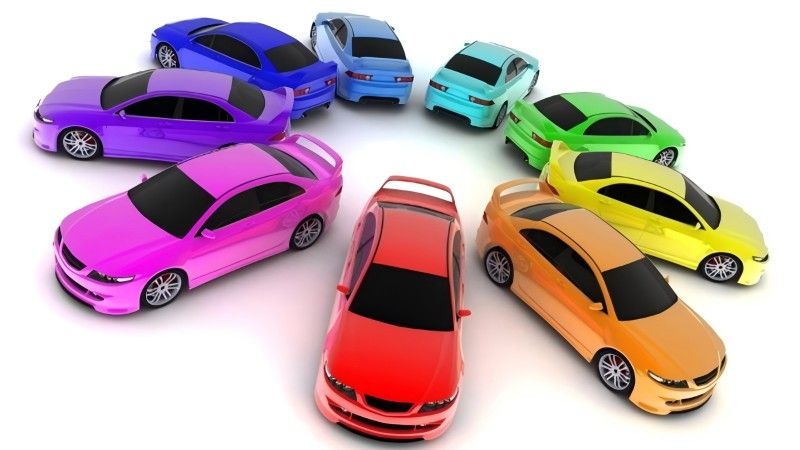
Car color selection: which color retains the most value?
Advertisement
When purchasing a car, in addition to the brand, model and configuration, the color is often one of the factors that many consumers struggle with. Not only because the color affects the appearance and personality of the car, but also because it may directly affect the future value retention rate of the vehicle. In the used car market, different colors of cars often have very different market performance. So, which colors hold their value better? What are the points to note when choosing? In this article, we will analyze the relationship between car color and value retention rate in detail from four aspects: market trends, color psychology, common color analysis and suggestions.
Market Trend: Key Factors of Color Influencing Value Retention Rate
Advertisement
1. Data reveals the impact of color on used car value
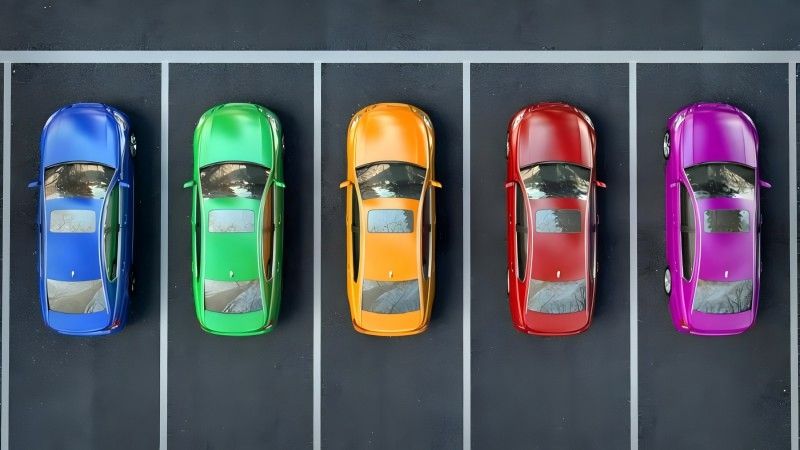
According to several studies, there is a close link between car color and used car value retention rate. Popular colors on the used car market usually mean that there is a high demand for them, and therefore the vehicles are easy to sell and maintain a higher resale value. For example, some neutral colors such as white, black and silver tend to perform strongly in the market.
2. Other factors affecting color retention
Model type and color suitability: Some colors are suited to specific models, e.g. red is more suited to sports cars, while white is commonly found in family cars.
Geographical preference: Consumers in different regions may have different color preferences. For example, hot regions favor lighter shades, while colder regions may favor darker shades.
Trends: Fashion and fads can affect the heat of a color in the short term, but in the long term, classic colors have more potential to retain their value.
Color psychology: the market appeal of different colors
1. White: Simple and classic
White is one of the most popular car colors worldwide. It is clean, versatile and not easily outdated, making it particularly suitable for family and business cars.
Value retention: white cars perform well in the second-hand market, especially high-end brand models.
Advantages: good heat resistance, suitable for tropical or subtropical regions.
Disadvantages: easy to show dirty, need to be cleaned frequently.
2. Black: stability and elegance
Black is another classic color, especially favored in luxury and business cars. It symbolizes authority and steadiness.
Value retention: very valuable in the high-end car market, but slightly less competitive in economy cars.
Advantages: visually the vehicle appears more atmospheric and advanced.
Disadvantages: easy to absorb heat, and scratches are easy to show.
3. Silver and gray: technology and modernity
Silver and gray are evergreen colors that are widely used in a variety of models. They visually display a sense of technology while maintaining a more understated appearance.
Value retention: Top-ranked retention colors, especially in the business and family car segments.
Pros: Dust and minor scratches are not noticeable and maintenance costs are low.
Cons: Slightly bland in an increasingly rich color selection.
4. Red: Passion and Sport
Red is an iconic color for sports cars and sporty vehicles, but is slightly less popular for the average family car.
Value retention: excellent in specific models (e.g. sports cars), but limited in demand in the family car market.
Pros: Bright and eye-catching, good for showing off your personality.
Cons: Stronger appeal to specific demographics, slightly limited resale market.
5. Blue: freshness and individuality
Blue is a color that has grown in popularity in recent years, and is especially important in electric cars and crossovers.
Value retention: moderate performance, but bright blue may be more popular.
Pros: visually unique and suitable for younger demographics.
Cons: Dark blue color tends to show scratches during maintenance.
6. Special colors: yellow, green, orange, etc.
These colors are usually used for limited edition models or specific brand models and appear unique and rare.
Value retention: The value retention of special colors varies greatly, depending on the model and brand. For example, Ferrari's yellow color and Lamborghini's green color perform well in the second-hand market due to branding.
Advantages: Suitable for car owners who like to be different.
Cons: Limited resale target group, may take longer to find a buyer.
Common Misconceptions: Common pitfalls in choosing a car color
1. Looking at personal preference without considering market demand
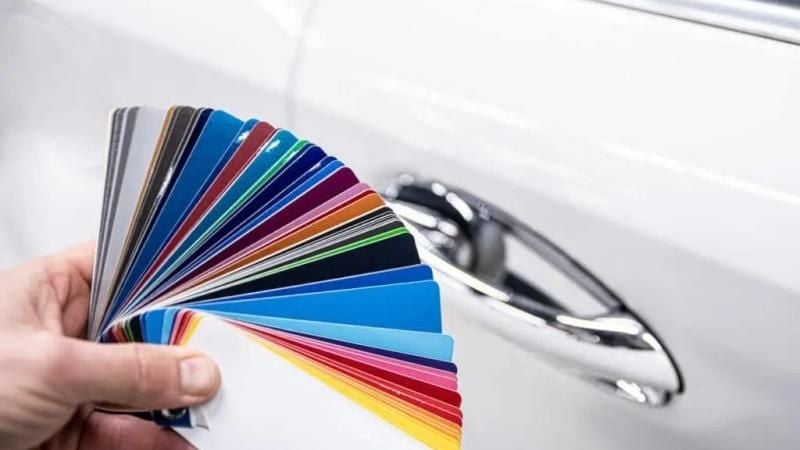
While it is important to choose a favorite color, a color that is too niche may result in a vehicle that is difficult to attract buyers at resale.
2. Ignoring maintenance costs
Dark-colored vehicles (e.g., black, dark blue) tend to show scratches and dirt, and special colors are more costly to repair, so maintenance expenses should be considered.
3. Too much to follow the trend
Certain colors may be sought after for a brief period of time because they are popular, but as the trend recedes, the market value of these colors may drop dramatically.
How do I choose a color that I like and that retains its value?
1. Define your purpose and goals
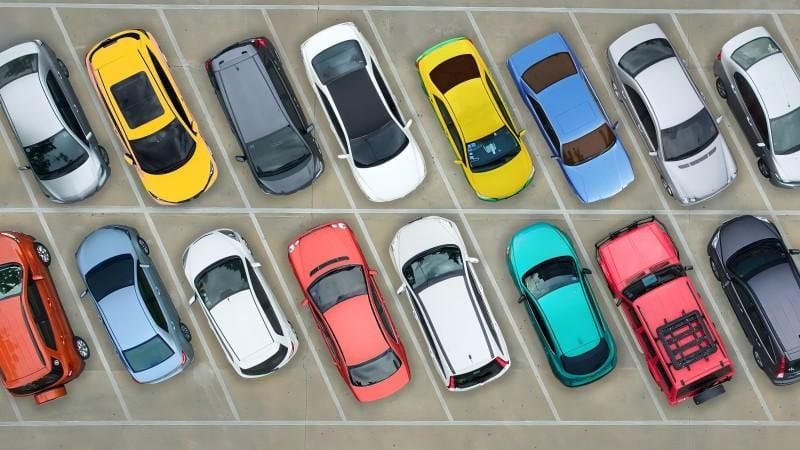
If it's a family car, give preference to classic colors such as white, silver or gray.
If it is a sports car or sporty car, consider passionate colors such as red or yellow.
2. Consider brand and model matching
Every brand has its classic hues. For example, Tesla's Pearl White, BMW's Metallic Gray and Porsche's Dark Green are all better value-retaining choices.
3. Focus on long-term market trends
Although color trends change, neutral colors (white, black, silver and grey) have long been the mainstream choice in the market and their value retention is more secure.
4. Special colors require caution
If choosing a special color, it is advisable to confirm the preferences of the target group of car owners. For example, a unique color for a limited edition model may boost the value retention rate, but it may be counterproductive for an ordinary family car.
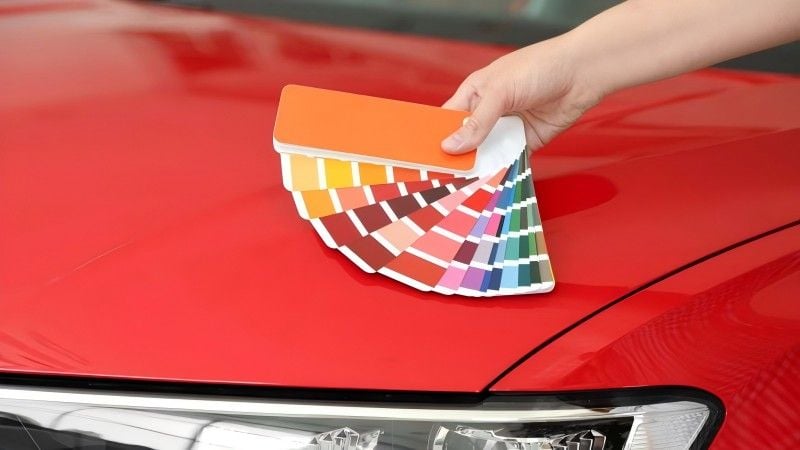
Car color is not only part of the appearance, but also an important factor that affects the vehicle's value retention rate. When choosing a color, factors such as personal preference, vehicle usage, market demand and maintenance costs should be considered. Classic colors such as white, black, silver and grey are preferred for value retention, while red, blue and special colors are more suitable for consumers who pursue personalization. By making the right choice, you will not only be able to drive a car of your choice, but also get a higher financial return on resale in the future. In today's increasingly diverse automotive market, color selection is not only an art, but a science.
Advertisement
Trending
-

- 5 legendary red carpet jewels that made actresses "gods", the third one is worth a house!
- 31 Mar,2025
-
- From Luxury to Practicality, the Latest Watch Selection Guide
- 3 Mar,2025
-
- Nike, Adidas, and New Balance: The Three Brands Behind This Year’s European Championship
- 14 Jun,2024
-
- 4 Must-Have Pieces of Jewelry for Spring 2025
- 24 Mar,2025
-
- Exclusive Valentine's Day Coupons for Cherished Moments!
- 29 Jan,2024
-
- Leading the future of technology, your preferred smart device brands: banggood, tomtop, geekbuying.
- 18 Jun,2024
-
- Watching Watches Can Be Trendy: The Hottest Fashion Items of 2025
- 31 Mar,2025
-
- The secrets behind the star's lens: the secrets of the SLR cameras favored by movie actors
- 28 Jun,2024





Advertisement