
How men can avoid worsening hair loss: effective measures to prevent hair loss
Advertisement
Hair loss is a common problem faced by many men, especially after entering middle age, when more and more men start to suffer from different degrees of hair loss. While genetic factors play an important role in male pattern baldness, a variety of factors such as lifestyle habits, dietary structure, and stress management can also have a profound impact on hair loss. Hair loss tends to worsen slowly, but once it starts, if left unchecked, it can gradually expand and lead to more serious hair loss problems. How to effectively prevent the deterioration of hair loss and maintain the health and density of hair has become an important concern for modern men.
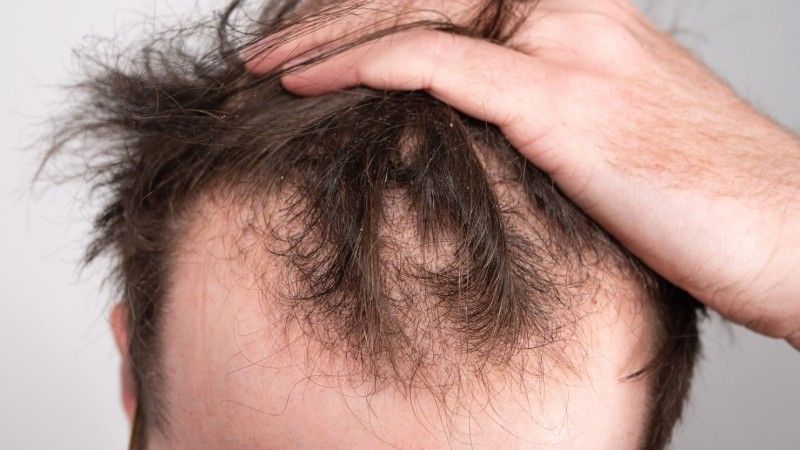
Maintain a healthy diet
Advertisement

Diet directly affects hair growth and health. The main component of hair is keratin, and the synthesis of this component requires the support of sufficient protein, vitamins, minerals and other nutrients. In order to maintain hair growth, men should focus on eating a balanced diet to ensure that they consume enough nutrients.
Quality Protein: Foods such as chicken, fish, beans and nuts are all great sources of quality protein, which can help with hair growth and repair. Inadequate protein intake may lead to thinning, brittle hair and even hair loss.
Vitamin-rich foods: Vitamin A, B vitamins (e.g., vitamin B6, B12), and vitamin C are essential for healthy hair. Vitamin A helps keep the scalp healthy, while B vitamins promote the proper functioning of hair follicles and reduce the likelihood of hair loss. Vitamin C, on the other hand, helps to improve blood circulation and enhance the scalp's ability to supply oxygen, further promoting healthy hair.
Mineral supplementation: Minerals such as zinc and iron play a vital role in hair health. Zinc promotes hair growth and metabolism, while iron helps in oxygen transportation and prevents hair loss caused by lack of oxygen.
Therefore, maintaining a balanced diet with adequate nutrients can not only prevent hair loss, but also improve existing hair loss.
Manage stress
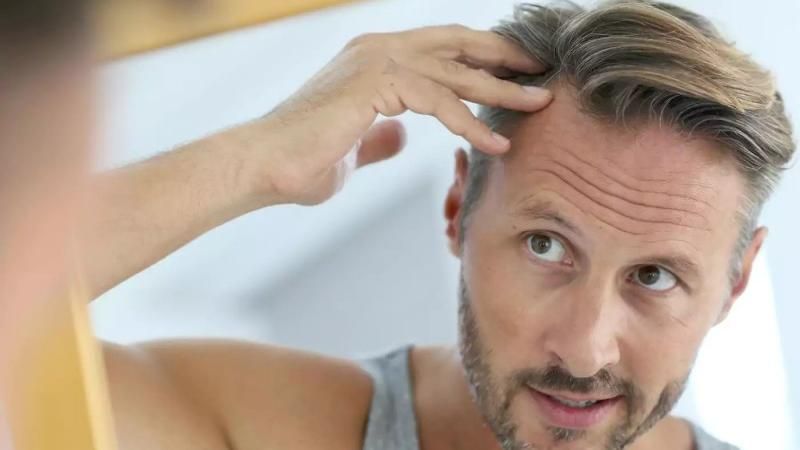
The fast-paced life and work pressure of modern society often leave men feeling physically and mentally exhausted, and this long-term mental tension and anxiety can directly affect hair growth. Studies have shown that chronic stress and anxiety can lead to fluctuations in hormone levels, which in turn can lead to hair loss. In particular, “Telogen Effluvium” is a type of stress-induced temporary hair loss, usually characterized by a large amount of hair loss in a short period of time.
In order to avoid worsening stress-induced hair loss, men should learn to manage stress properly and adopt healthy ways to reduce stress. Here are some common ways to reduce stress
Regular exercise: Exercise can release stress and promote the body's secretion of endorphins, which help relax the mind and body. A moderate amount of aerobic exercise every day, such as walking, running, swimming, etc., can not only improve physical health, but also effectively reduce stress.
Meditation and Breathing Exercises: Relaxing the body through meditation and deep breathing can effectively reduce mental stress. A few minutes of meditation or deep breathing exercises every day can help keep your mood stable and reduce anxiety and tension.
Ensure adequate sleep: Sleep is vital to good health, and lack of sleep not only affects your mental state, but may also exacerbate hair loss. Getting enough sleep for 7-8 hours a day helps the body to recover and repair, and alleviates stress-induced hair loss.
Maintain a healthy scalp
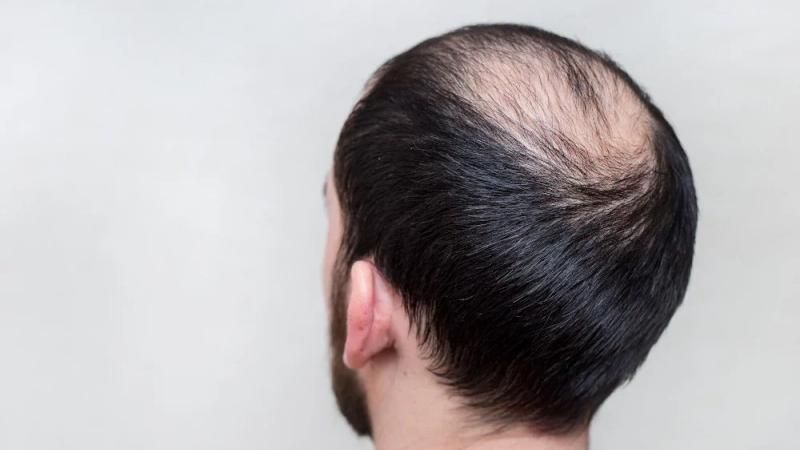
The health of the scalp is directly related to hair growth. Hair follicles are trapped within the layers of the scalp, and if the scalp is clogged, inflamed, or unhealthy, the health of the follicles can be compromised, which can lead to worsening hair loss. Men should focus on scalp cleansing and care to maintain a favorable scalp environment and promote the health of hair follicles.
Regular cleaning of the scalp: Long-term accumulation of oil, dust and dirt on the scalp will lead to clogging of the hair follicles, thus affecting the growth of hair. Men should choose a shampoo that suits their hair type and clean their scalp regularly to remove accumulated oil and dirt. It is generally recommended to shampoo your hair 3-4 times a week to avoid drying out your scalp by over-cleaning.
Scalp massage: scalp massage can promote blood circulation, enhance the supply of nutrients to the hair follicles. Gently massaging the scalp with your fingertips for 2-3 minutes a day not only helps to reduce scalp tension, but also accelerates hair growth.
Avoid harsh chemicals: Many hair care products containing strong chemicals (such as hair dyes and perms) may cause irritation to the scalp, leading to damage to hair follicles and increased hair loss. Men should try to avoid products containing harsh chemicals when choosing hair care products and opt for gentle, non-irritating care products.
Avoid bad habits
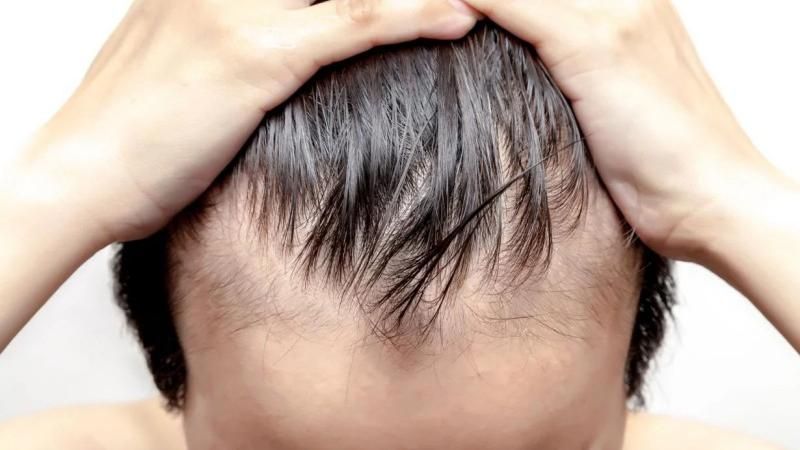
Bad habits are one of the common causes of worsening hair loss. Men should try to avoid some behaviors that may lead to hair loss in their daily life:
Avoid smoking: Smoking is not only harmful to your health, but also affects the health of your hair. Studies have shown that smoking can lead to poor blood flow, affecting the supply of nutrients to the hair follicles, which in turn triggers hair loss.
Reduce alcohol consumption: Excessive alcohol consumption not only affects your health, it can also lead to hair loss. Excessive alcohol consumption can affect liver function and lead to hormone disruption, increasing the risk of hair loss.
Avoid excessive perming or coloring: Frequent perming and coloring can damage your hair with chemicals, causing it to become brittle and dry, and even triggering hair loss. Minimize such treatments to avoid excessive damage to your hair.
Pay attention to genetic factors
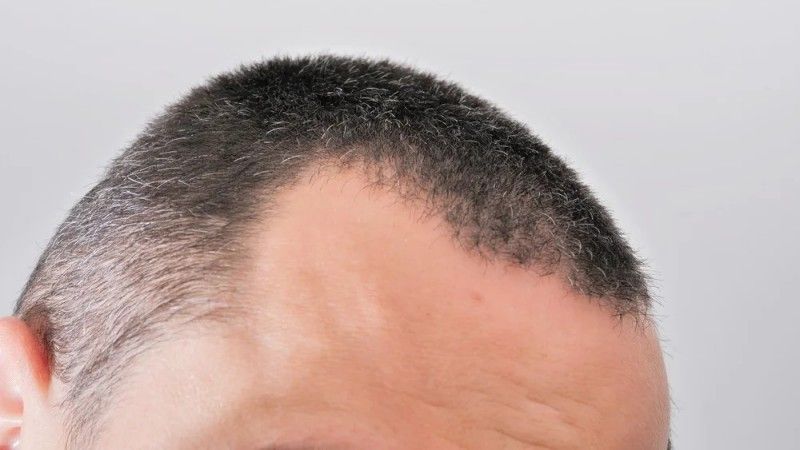
Although genetic factors cannot be changed, knowing your family's genetic history can help men take preventive measures early on. Male pattern baldness is usually characterized as “androgenetic alopecia,” and this type of hair loss is closely related to family history. If there are multiple male relatives with hair loss problems in the family, you may be at a higher risk for hair loss as well.
Once you know what runs in your family, you can slow down the rate of hair loss through early intervention, such as adjusting your lifestyle habits and improving your diet.
Regular Health Checks
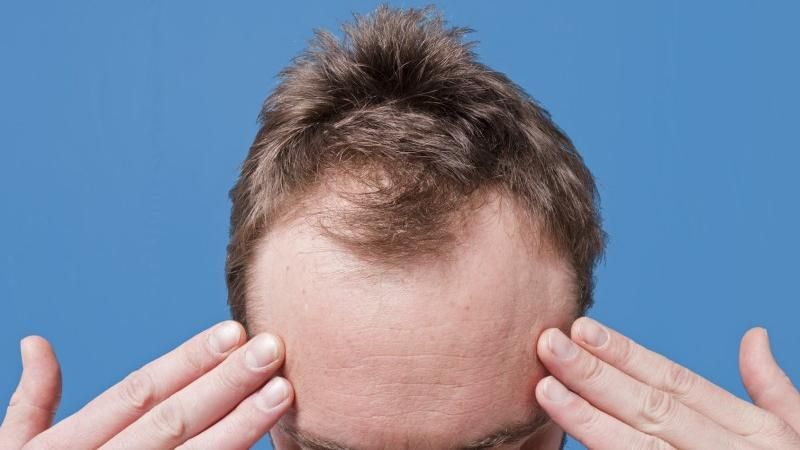
Hair loss is not just a superficial problem; it may be closely related to physical health. Long-term hair loss may be a sign of thyroid abnormalities, iron deficiency anemia and other diseases. Therefore, men should have regular body checkups to keep an eye on their health. If they notice any other abnormal physical symptoms, such as fatigue and weight fluctuation, they should seek medical attention to rule out any underlying health problems.
When the hair loss problem gets progressively worse, men should consider seeking professional medical advice. Doctors can use scalp examinations and blood tests to understand the specific causes of hair loss and develop a personalized treatment plan. Early intervention can effectively slow down the process of hair loss and prevent it from worsening further.
Although common, male pattern baldness is not irreversible. Through proper diet, good lifestyle habits, effective stress management and scalp care, men can prevent hair loss from worsening and slow down the process. Hair loss is not a quick fix, but requires long-term persistence and patience. Whether it is daily dietary adjustments or lifestyle changes, men should work from multiple angles to maintain healthy hair and enhance their self-confidence.
Advertisement
Trending
-

- Nike, Adidas, and New Balance: The Three Brands Behind This Year’s European Championship
- 14 Jun,2024
-
- The secrets behind the star's lens: the secrets of the SLR cameras favored by movie actors
- 28 Jun,2024
-
- 4 Must-Have Pieces of Jewelry for Spring 2025
- 24 Mar,2025
-
- Exclusive Valentine's Day Coupons for Cherished Moments!
- 29 Jan,2024
-
- 5 legendary red carpet jewels that made actresses "gods", the third one is worth a house!
- 31 Mar,2025
-
- Leading the future of technology, your preferred smart device brands: banggood, tomtop, geekbuying.
- 18 Jun,2024
-
- Watching Watches Can Be Trendy: The Hottest Fashion Items of 2025
- 31 Mar,2025
-
- From Luxury to Practicality, the Latest Watch Selection Guide
- 3 Mar,2025







Advertisement