
High-tech security home system: all-round protection of your home
Advertisement
In today's rapid development of technology, smart home security system has become a necessary choice for modern home security protection. It can not only provide real-time monitoring, remote control, but also through intelligent identification and automation functions to enhance the level of home security, so that users can control the home security situation at any time and anywhere.
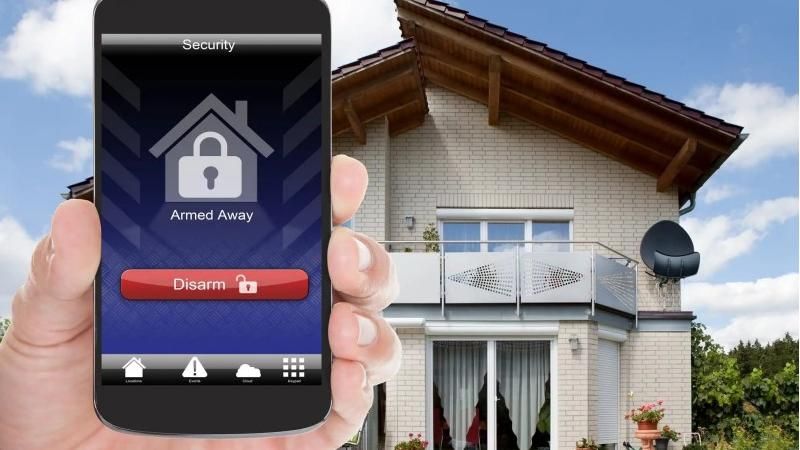
Core Functions of Smart Home Security System
Advertisement
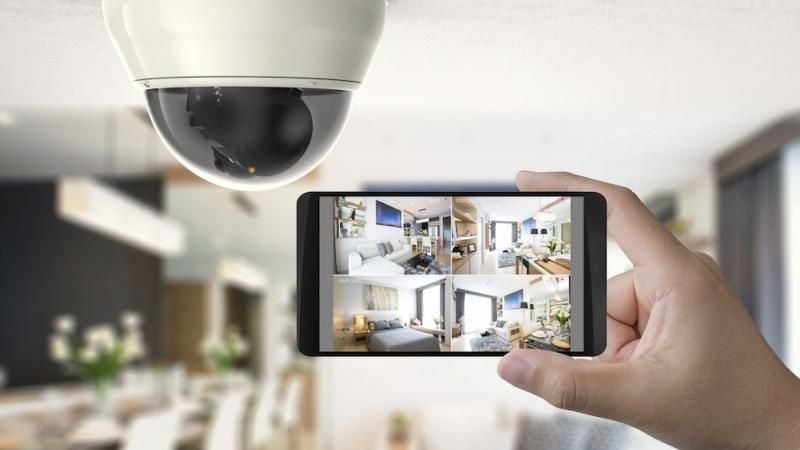
Smart home security system integrates a number of high-tech equipment, through the network and artificial intelligence technology, to achieve a full range of monitoring and protection of the home environment. The following are its core functions:
Smart camera: real-time monitoring and remote viewing
Smart camera is one of the core components of the security system, equipped with HD shooting, night vision, wide-angle coverage, etc. It can record the dynamic changes in the home environment in real time. Users can remotely view the situation at home through the mobile APP, and support cloud storage to ensure the security of the video data.
Some high-end cameras are also equipped with AI face recognition technology, which can distinguish between family members and strangers. Once a stranger is detected entering, the system will immediately send an alert to notify the user.
Smart Door Lock: Efficient and Secure Access Management
Smart door locks are more secure than traditional mechanical door locks, and common unlocking methods include fingerprint recognition, password input, NFC induction, Bluetooth unlocking and remote authorization unlocking. In addition, some smart door locks also support a temporary password function, which is suitable for use by visitors or housekeeping staff, ensuring security while providing greater convenience.
If someone tries to break the door violently, the smart door lock will automatically trigger an alarm and notify the user of the abnormal situation, further enhancing home protection.
Smart Alarm System: Instant Reminder of Abnormal Conditions
The smart alarm system contains door and window sensors, smoke/carbon monoxide detectors, flooding sensors, etc. When an abnormal situation is detected, the user will be notified immediately via APP, SMS or phone call. For example:
Door/window sensor can detect illegal intrusion and trigger the alarm when someone pries the door or breaks the window;
Smoke/Carbon Monoxide Detector can warn of fire and toxic gas leakage to protect the safety of your family;
Flood sensor can prevent water leakage accidents and avoid property loss.
Intelligent lighting and scene linkage: simulate the state at home
Intelligent lighting system can be linked with security devices to simulate the state of someones activity at home, which serves as a deterrent to potential intruders. For example, when the smart camera detects a suspicious person staying at the door, the lights will automatically turn on, making the other party mistakenly think that there is someone at home.
In addition, users can also remotely control the lights at home, no matter where they are, they can turn on or off the lighting equipment at home with one click.
Remote Control and Voice Assistant Integration
Smart home security systems are usually compatible with voice assistants such as Amazon Alexa, Google Assistant, Apple HomeKit, etc. Users can control cameras, door locks, alarms, and other devices through voice commands. For example, a user can say, “Alexa, check the doorway camera,” and the system will immediately display a live feed on a smart screen.
How to choose the right smart home security system?
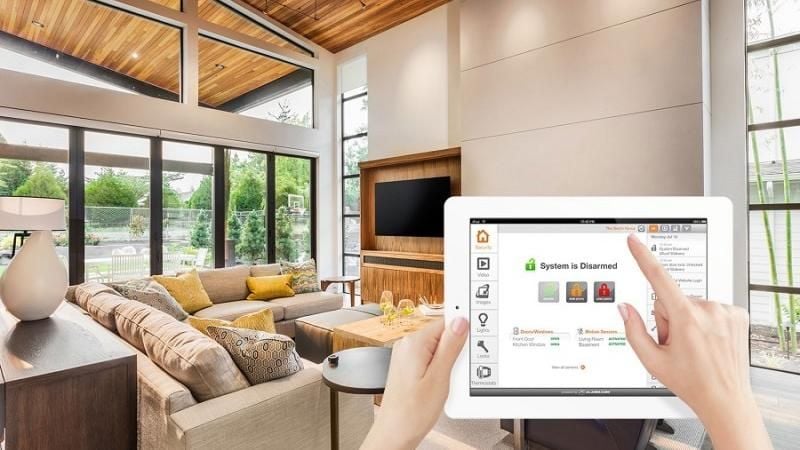
In the face of numerous smart security products on the market, consumers should consider the following key factors when choosing:
Compatibility and Expandability
Before purchase, you need to confirm whether the security device is compatible with the existing smart home system. For example, if Apple HomeKit is already in use at home, choosing compatible devices such as smart cameras and door locks will ensure seamless integration.
In addition, choosing a system that supports multi-device linkage will allow you to add new devices, such as doorbell cameras and pet monitoring, to enhance your home security capabilities in the future.
Network Security and Data Protection
Smart security devices connect to the Internet, so network security is critical. It is recommended to choose products with encrypted transmission and multiple authentication to prevent hacking. High-quality brands usually provide cloud storage services and support local storage to avoid malicious tampering or leakage of video data.
Ease of Use and Intelligence
An excellent smart security system should have an intuitive user interface, convenient remote control, and support automated scene settings. For example, when the user comes home, the system automatically unlocks the door lock, turns off the alarm, and turns on the indoor lights to improve the experience.
After-sales service and brand reliability
Prioritize well-known brands, such as Arlo, Ring and Eufy, to ensure product quality and after-sales service. Some manufacturers provide free cloud storage, while certain brands require additional subscription, so you need to know the specific services before purchase.
The future development trend of smart home security system
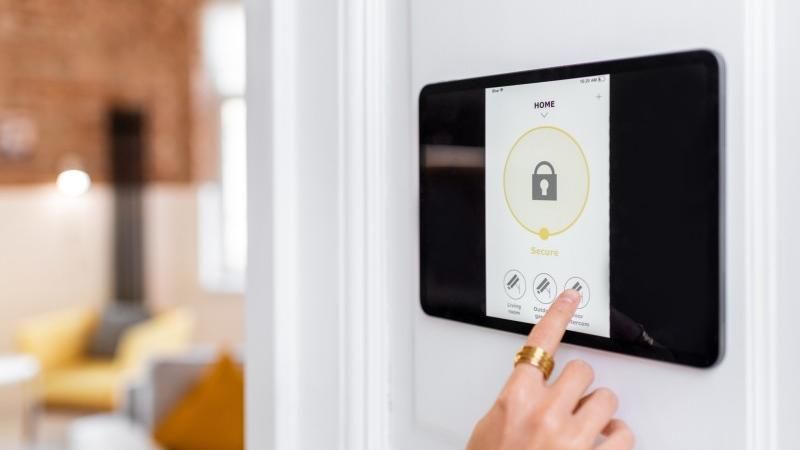
With the development of artificial intelligence and IoT technology, smart home security systems are evolving in the direction of higher intelligence and higher security, and the following trends are likely to emerge in the future:
AI self-learning security system
Future smart security systems will have stronger AI learning capabilities to automatically recognize the daily behavior patterns of family members and make more accurate alerts for abnormal situations. For example, if a door lock is repeatedly attempted to be unlocked late one night, the system will immediately determine that this is suspicious behavior and send a warning to the user.
5G Technology Enhancement for Lower Latency Remote Monitoring
The popularization of 5G technology will improve the real-time responsiveness of security equipment, and users will no longer experience delays or lag when remotely viewing camera images. At the same time, 5G+AI technology will optimize video analytics, allowing the system to more intelligently detect abnormal events such as strangers wandering for long periods of time.
Wireless power supply and energy management
Future smart security devices will gradually adopt wireless power supply technology, such as solar-powered cameras and self-charging sensors, which will not only reduce the cost of battery replacement, but also realize a more environmentally friendly way of use.
Holographic projection and augmented reality (AR) security monitoring
Combined with AR/VR technology, users can view their home in a 360° view through smart glasses or projection devices, and even control devices in an augmented reality interface to enhance the security experience.
Intelligent Security for a More Secure Home
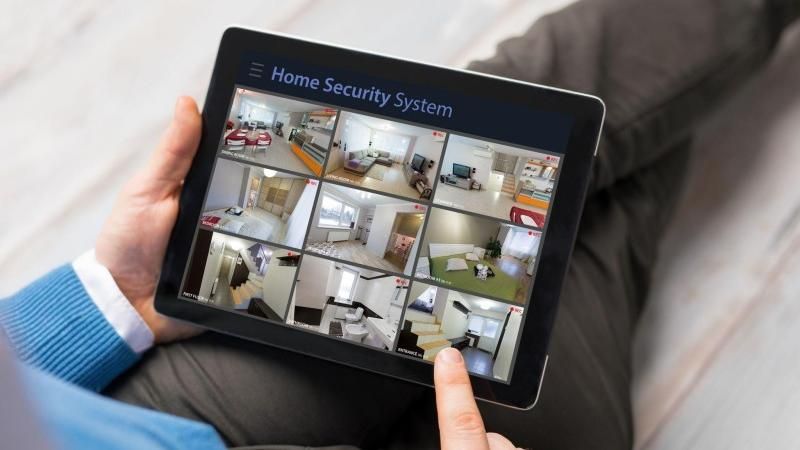
Smart home security systems are gradually changing the way we live, providing a higher level of security for families. From smart cameras, door locks, and alarm systems to remote monitoring, AI recognition, and 5G connectivity, these technologies are building a safer, smarter living environment.
Choosing the right smart security system not only improves home security, but also brings a convenient smart living experience. In the future, with the continuous development of AI and IoT, smart security systems will become more efficient and smarter, truly allowing users to control the safety of their homes without leaving home.
Advertisement
Trending
-

- 5 legendary red carpet jewels that made actresses "gods", the third one is worth a house!
- 31 Mar,2025
-
- The secrets behind the star's lens: the secrets of the SLR cameras favored by movie actors
- 28 Jun,2024
-
- Leading the future of technology, your preferred smart device brands: banggood, tomtop, geekbuying.
- 18 Jun,2024
-
- From Luxury to Practicality, the Latest Watch Selection Guide
- 3 Mar,2025
-
- Exclusive Valentine's Day Coupons for Cherished Moments!
- 29 Jan,2024
-
- Watching Watches Can Be Trendy: The Hottest Fashion Items of 2025
- 31 Mar,2025
-
- Nike, Adidas, and New Balance: The Three Brands Behind This Year’s European Championship
- 14 Jun,2024
-
- 4 Must-Have Pieces of Jewelry for Spring 2025
- 24 Mar,2025








Advertisement